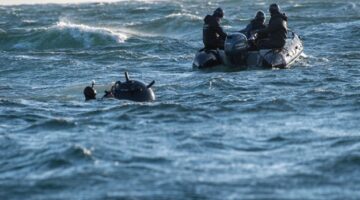
Remote mine hunters silently trawl the waters as minesweepers go by the wayside
Autonomous capabilities give the Navy a way to clear mines without putting sailors in harm’s way.
Autonomous capabilities give the Navy a way to clear mines without putting sailors in harm’s way.
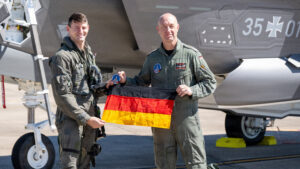
Germany's next move, the fate of GCAP, and the rise of CCAs reshape Europe's combat aircraft strategy.
There is no single answer to the drone threat, pushing the Pentagon toward a broader mix of defenses.
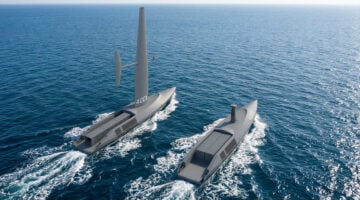
The court found that the Navy "engaged in disparate treatment" toward Saildrone's MUSV proposal, according to an opinion unsealed Wednesday.
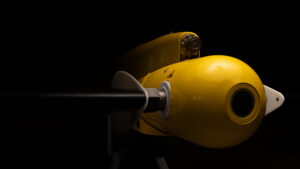
The contract, awarded to Advanced Acoustic Concepts, is worth $53.9 million and also covers engineering support for the modules.
From autonomous warfare and drone innovation to acquisition reform and defense industrial base challenges, Breaking Defense examines the key developments and strategic priorities shaping the US Army’s future at AUSA 2026.

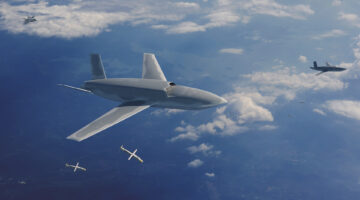
Gambit represents a scalable solution designed to counter today’s threats and address tomorrow’s challenges.

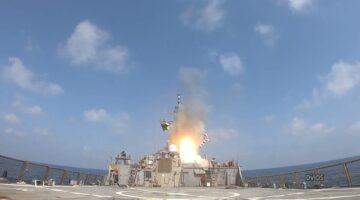
Expanding manufacturing capacity is critical to producing missiles, radars, and launch systems.

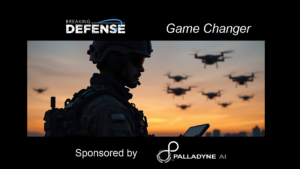
By going beyond simple automation, drones can carry out tasks with minimal input from operators.

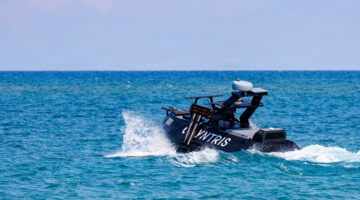
Think of sensing and detection as a network as opposed to individual unmanned surface vessels.
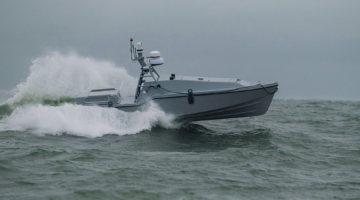
The DIU solicitation said that it wants USVs outfitted with “mature hard-kill Counter-Air effectors and clutter-resilient sensor suites."
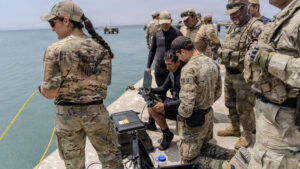
With minesweepers retired, the US is turning to remote and robotic mine-neutralization tactics.
Think of sensing and detection as a network as opposed to individual unmanned surface vessels.

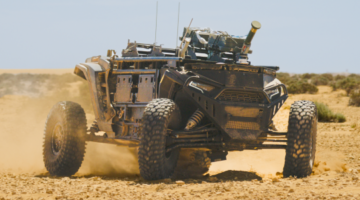
One commander, many robots: Fully autonomous ground vehicles are reshaping the battlefield.
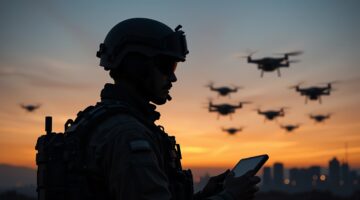
Decentralized Embodied Collaborative intelligence enables better reconnaissance, logistics and combat capabilities.

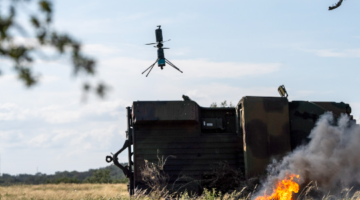
From FPV drones to autonomous rotorcraft, scale and repeatability are becoming as important as innovation.
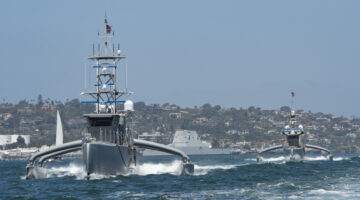
The Navy wants medium unmanned surface vessels (MUSVs) that can operate for 10 days at sea and carry two shipping containers.